








How Rare are Flawless Diamonds?
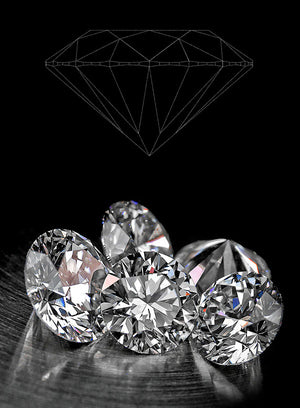
Many people dream of owning a flawless diamond, a shimmering miracle of nature with no imperfections. There’s no diamond rarer. But, depending on your priorities, you may satisfy your dream with a lower grade of diamond that could sparkle even more (if it has a cleaner cut).
In this guide, we’ll answer “Are flawless diamonds rare?”, break down the myths, and leave you with a clear understanding to help you determine if you want one.
What Is a Flawless Diamond (FL)?
As the name suggests, a flawless diamond has no imperfections, which in the diamond world, we call ‘inclusions’.
Inclusions are the small cracks, blemishes, and traces of internal debris naturally occurring during the diamond's formation. At their worst, inclusions are visible with the naked eye as they stop light from passing through. As you move up the diamond quality scale, inclusions become harder and harder to spot but still make a difference to the overall appearance, leaving us with two categories of ultra-rare diamonds - flawless and internally flawless.
Flawless diamonds possess no internal or external imperfections at a magnification of 10x.
What is an Internally Flawless Diamond (IF)?
Internally flawless diamonds contain no inclusions, but may have very minor surface blemishes, such as polish lines or small nicks. These will only be visible under magnification and are often indistinguishable to the naked eye, but lose some value compared to flawless diamonds, as they may still impact overall appearance.
GIA Grading
The Gemological Institute of America (GIA) created a diamond grading scale to help clarify all the differences. It’s unbiased and provides a great starting point to help you understand diamond quality. Trusted jewelers worldwide, like Brian Gavin Diamonds, use the system to report transparently and consistently.
The scale is based upon the 4Cs: Color, Clarity, Cut, and Carat Weight.
Are Flawless Diamonds Rare?
With a mere 0.5% of all mined diamonds receiving a flawless status, flawless diamonds are the rarest diamonds.
However, when combined with D color grading (colorless), they are even rarer, accounting for just 0.001% of all global diamonds. Internally flawless diamonds are more common, but still very rare, making up for a similar percentage.
Part of the beauty in getting your hands on a flawless diamond is that you’ve got the result of a near miracle of nature. Forming around 150 km below the Earth’s surface, it requires considerable luck to see a diamond form without imperfections caused by other minerals, trapped particles, polish lines, or even microscopic growth marks.
As expected, as you move down the GIA scale, the diamonds become less and less rare:
|
Clarity Grade |
Description |
Rareness |
|
FL/IF |
No inclusions/blemishes |
Extremely rare (<1%) |
|
VVS1/VVS2 |
Minute inclusions, very hard to detect |
Rare |
|
VS1/VS2 |
Minor inclusions, not visible to the naked eye |
Common |
|
SI1/SI2 |
Noticeable inclusions under magnification |
Very common |
|
I1/I2/I3 |
Obvious inclusions may affect brilliance |
Common at lower prices |
Do Flawless Diamonds Sparkle More?
No. That’s a common myth. Inclusions that affect clarity do not affect sparkle. The sparkle is mostly affected by the cut quality (one of the 4Cs), which determines how light is reflected.
If sparkle is a priority, then you should ensure you get a diamond with excellent or ideal cut quality, which can be found in lower grade diamonds such as VS1, VS2, or even SI1.
The Brian Gavin collection offers a range of quality cut diamonds that offer a higher sparkle than many more valuable diamonds, despite offering a lower grade.
Are Flawless Diamonds Worth the Extra Cost?
As flawless diamonds command a significant premium over internally flawless diamonds, the true answer depends on your budget and priorities.
However, it’s important to note that an internally flawless diamond can often offer no visual difference to the naked eye. Even very very slightly included diamonds (VVS1-2) may appear the same quality, without close inspection.
Secondly, a flawless diamond that is worn is likely to suffer scuffs and tiny chips over time that degrade it to an internally flawless diamond anyway, so if you’re looking to purchase an engagement ring, it might be worth keeping this in mind.
On the other hand, flawless diamonds are the pinnacle of gemstones, and there is undeniably emotional value in owning one of nature’s miracles. So, if you want to make an ultimate statement purchase, it may be right for you. If you have any questions, feel free to contact us. We’ll be happy to help you out.
It may be worth considering a lab-made flawless diamond if your budget is stretched.
Can Lab-Grown Diamonds be Flawless?
Yes! As lab-grown diamonds are produced in controlled conditions, flawless gradings can be given by the GIA or IGI.
While the chances of inclusion are reduced, imperfections can still occur. This is due to the Chemical Vapor Deposition process, which can cause internal inclusions, pinpoints, and growth lines.
They are often just as stunning and indistinguishable from ‘real’ diamonds, but depreciate quicker and therefore tend to have a lower resale value.
How to Shop for Rare Diamonds Safely
When buying a rare diamond, from flawless to VVS, only trust a diamond expert. They’ll ensure that you’re getting your hands on a stone that has passed certification via magnification and detailed visual inspections.
Generally speaking, no diamond is 100% flawless. They all have even the most minuscule of imperfections, but here’s a good checklist to ensure you get something truly rare:
-
It has received a GIA flawless or internally flawless certification.
-
It must be 100% clear both inside and outside, with no visible inclusions.
-
This must remain true, even at 10X magnification - from a diamond expert.
If you’re working on a more limited budget and plan to wear the diamond, consider an internally flawless or VVS diamond rather than assuming you have to go for a true flawless.
Remember - if you’re after sparkle, then go for a diamond with an ultra clean cut rating.
The Brian Gavin Signature collection offers diamonds with verified cut symmetry and angles, GIA excellence, and proven optical performance.
Buy Your Dream Diamond Today
Now you know the answer to ‘Are flawless diamonds rare?’, we welcome you to browse our online store today - whether you’re looking for an ultra-rare, flawless diamond or a diamond of a lower grade with a stunning sparkle.
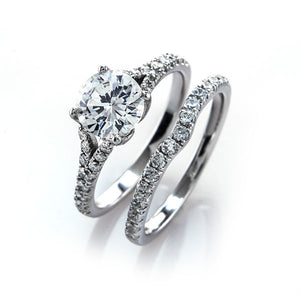
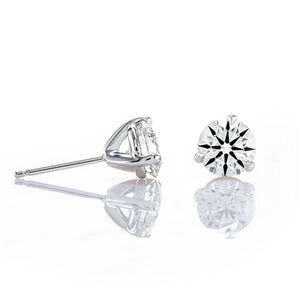
Our GIA-certified diamonds are found in a range of beautiful jewelry designs, including engagement rings, wedding bands, and even custom designs.
If you have any questions, feel free to contact us today.

Leave a comment