








How diamonds get from the ground into your hands
You see diamonds everywhere. They are on your wedding ring, inside your jewelry box and littering display cases at diamond stores. However, you may not know how the diamond in your necklace got from the earth to your neck.
Diamond formation
Your Brian Gavin diamond was formed about 100 miles below the surface of the earth in what is called the mantle. This part of the planet is very dense and intensely hot. The combination of heat and pressure is necessary to create the proper conditions for diamond formation. As the crystals develop, they are pushed toward the earth's crust by subterranean volcanic eruptions. These types of eruptions haven't been seen in a very long time. In fact, the diamonds you wear now were formed about 3 billion years ago.
The mining process
Mining diamonds is a tough process. Ores must be blasted, crushed and processed before they yield the gems. Mines can be found all over the world, with the top producers including Australia, Botswana, Canada, Namibia, South Africa and Russia. These countries mine 80 percent of the total global number of diamonds.
Buying and selling rough diamonds
Mining countries sell rough diamonds to houses or groups across the globe. They are categorized by quality then sold at "sights." Cutters, polishers and manufacturers attend these events to purchase the diamonds they will process. Some jewelry companies buy rough diamonds and create pieces with them. This unfinished look has been a trend in 2013.
Cutting and polishing
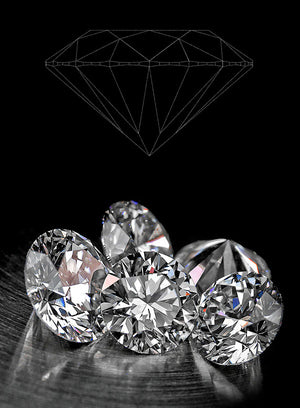
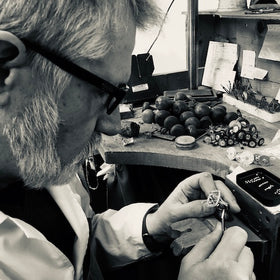
This step requires a great deal of skill. The skills necessary to create expert diamond cut shapes take years of learning. Cutters spend their lives learning new techniques and developing cuts that optimize light performance in their gems. For example, the hearts and arrows diamond has been under development since the 1980s. Brian Gavin began his research in 1997. Since then, he has perfected his technique to bring you this amazing cut. Once a cutter is satisfied that the work has been cut and polished with symmetry, the diamond is sent on to the next step.
Grading the diamonds
The Gemological Institute of America and the American Gemological Society both grade diamonds based on cut, color, quality and carat weight. The grade they award each diamond helps sellers determine the price. The grade is also a tool for consumers to find quality gems. The Brian Gavin round brilliant cut has earned a perfect score from AGS.
To the buyer
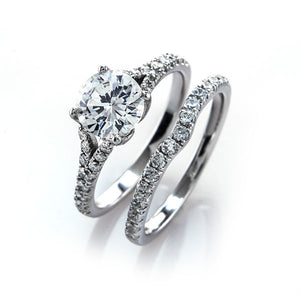
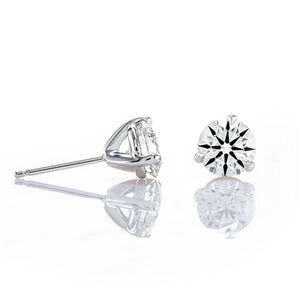
You can buy loose diamonds from the Brian Gavin team or purchase a piece of jewelry. Each gem started below the earth's crust to wind up at your fingertips.
