







VVS Diamonds
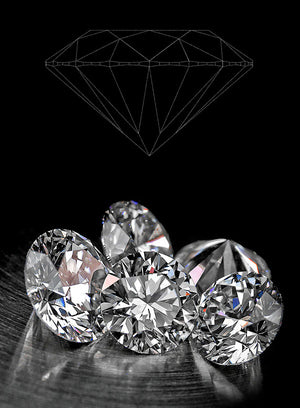
VVS Diamonds are stunningly clear stones, with near-flawless clarity under 10x magnification. Impossible to identify with the naked eye, they are therefore suitable for stunning high-end engagement rings and fine jewellery. Read more


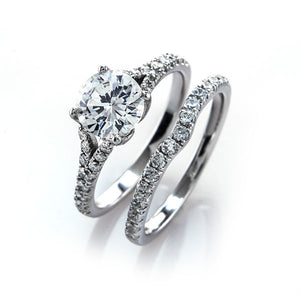
With Brian Gavin Diamonds, you can select the VVS diamond that speaks to you, before customizing it with a bespoke ring setting and design. We welcome you to contact our in-house diamond specialists today if you have any questions.
What Are VVS Diamonds?
VVS stands for ‘Very Very Slightly Included’, which is a diamond clarity grading. VVS1 and VVS2 sit just below IF (internally flawless) diamonds, ranking them amongst the elite grades of diamonds.
While absolutely stunning, their grading and clarity come with a premium that may impact your purchase decision. At this level, you will struggle to tell the difference with the naked eye, and you may be better suited to spending your budget on other areas, such as cuts. However, if you move down further down the clarity grade, you will begin to notice more pronounced differences (such as SI) - but it’s not until you get to included categories (I1, I2, I3) that you will see them with the naked eye.
To many people, this isn’t an issue given the price drop, but to some collectors and investors, the lure of minimal inclusions is worth the investment.
|
VVS Diamonds Relative to Other Diamonds |
||
|
Clarity Grade: |
Description: |
Rarity: |
|
IF - Internally Flawless / Flawless |
No inclusions. |
Extremely rare. |
|
VVS1 - Very, very small inclusions |
Inclusions aren’t visible at 10x magnification. |
Very rare. |
|
VVS2 - Very, very small inclusions. |
Inclusions are sometimes visible at 10x magnification, but are hard to locate. |
Very rare. |
|
VS1 - Very slightly included |
Inclusions are barely visible at 10x magnification. |
Rare. |
VVS1 vs. VVS2
Both VVS diamonds are very, very slightly included and eye-clean. The difference in VVS1 and VVS2 grading is mainly due to inclusion positioning. It’s important to note that you can’t tell the difference between the two grades with the naked eye.
-
VVS1 inclusions are extremely hard to spot under magnification and are often near the edge of the pavilion (bottom) of the diamond (which allows them to be hidden under ring prongs).
-
VVS2 inclusions are typically closer to the crown (top) of the stone, making them more visible under magnification.
As a result, VVS1 diamonds tend to be around 5-15% more expensive than VVS2 diamonds; however, other factors such as cut, color, and carat will play a part.
Choosing a VVS Diamond By Shape
Round VVS Diamonds
Round VVS is the classic, sparkling diamond look that everyone dreams of. They offer maximum brilliance with flawless clarity and suit almost every style and hand size.
Oval VVS Diamonds
With an elongated elegance and slightly larger appearance, oval diamonds are considered a timeless, clean, feminine shape.
Emerald VVS Diamonds
Emerald shapes pair well with VVS diamonds, as the high clarity ensures all the open facets remain crystal clear. Emerald shapes are associated with high-end elegance and clean lines.
Princess, Radiant, and Cushion
Princess, Radiant, and Cushion cuts offer a modern brilliance with sharp geometry, soft curves, and an intricate feeling that stands apart from more common designs.
Should I Choose a VVS Diamond?
When considering whether a VVS diamond is right for you, you should consider whether immaculate clarity is one of your priorities. If it isn’t, then you can still obtain an eye-clean diamond with a lower clarity grade, which may allow you to prioritise other qualities.
For example, if you’re buying a diamond engagement ring, then we’d advise you to prioritize ‘cut’ grade, instead of clarity. Cut is what determines the sparkle, which, for most buyers, is the most important feature, as that’s what makes the heart flutter.
However, if you’re after a truly stunning, statement clarity stone, then VVS diamonds are a great option as they cost less than an IF diamond but at a lower premium. With that in mind, most VVS owners are looking to make a statement investment, knowing that they will receive an exceptional light return, especially when paired with an excellent cut grade.
Finally, VVS diamonds are also suitable choices if you’re looking for a solitaire, halo, or bezel setting.
FAQs: VVS Diamonds
Is a VVS diamond worth it?
Priorities determine the answer to this question. If you want a near-flawless clarity and peace of mind that inclusions won’t be visible, even at magnification, then yes. However, if you are on a budget and simply want eye-clean diamonds, then a lower clarity grade, such as VS1, may be better suited.
What’s better: VVS1 or VVS2?
Technically speaking, VVS1 diamonds have fewer, less visible inclusions at magnification. But, both are eye-clean and the differences are extremely small.
Can you see inclusions in a VVS diamond?
Not with the naked eye. Even under 10x magnification, inclusions in VVS diamonds will be extremely difficult to detect.
How much does a VVS diamond cost?
VVS1 and VVS2 diamonds cost around 10 to 30% more than VS diamonds of the same quality. Prices are affected by other criteria too, such as shape, cut, carat, color, and certification. Feel free to browse our diamond collection or contact our consultants for further pricing information.
Trusted by educated buyers. Chosen by perfectionists.
If you’re considering purchasing a VVS diamond, we welcome you to contact our in-house diamond specialists today should you have any questions or need assistance in fulfilling your vision. All our certified natural diamonds and lab diamonds can be customized with your dream ring setting.
